To reach Sumba, fly to Tambolaka (TMC) for the western part or Waingapu (WGP) for the east. Flights from Bali take 1 to 1.5 hours. Sites are 1–3 hours apart by road, offering a seamless journey to this unspoiled island.
Flights to Sumba
Sumba is accessible via two main airports: Tambolaka (TMC) in the west, and Waingapu (WGP) in the east. Direct flights from Bali are operated by Batik Air, Lion Air, Nam Air, and Wings Air, typically lasting 1 to 1.5 hours. To ensure a smooth journey, we recommend booking flights directly with the airlines.
Best Time to Visit
Sumba is most welcoming from June to October, when the weather is dry and the island is lush green post-rains. This period is ideal for exploring the unique cultural festivals such as the Pasola, visiting traditional villages, and enjoying outdoor adventures.
Travel Styles
If you seek a private car with a driver, a small-group day tour, or an immersive multi-day package, Sumbatourpackage offers curated experiences operated by Komodo Luxury. From full-day tours of West Sumba to 5-day explorations covering both east and west, tailor your journey with bespoke itineraries.
- Day Trips for those with limited time.
- Tailored Itineraries to match your interests.
- Best Time to Visit insights for optimal planning.
Top Attractions
Sumba’s landscapes and cultural sites are a visual feast. Must-visit attractions include:
- Weekuri Lagoon’s crystal waters.
- The ancient villages of Ratenggaro and Praijing.
- Tanggedu Waterfall’s stunning cascades.
- The world-renowned Nihiwatu Beach.
- The panoramic views from Wairinding Hills.
Transfers and Transportation
Upon arrival, choose between local taxis, private cars, or bemos (local minibuses). For comfort, a private car is recommended. Here’s a brief comparison:
| Route | Distance | Taxi Time | Private Car Time | Taxi Cost | Car Cost |
|---|---|---|---|---|---|
| TMC to Central Sumba | 127.3 km | 2h 4min | 2h 4min | Rp600,000–800,000 | Rp228,724–330,379 |
| TMC to Lelewatu Resort | ~154 km | ~2h 30min | ~2h 30min | €154 / group | €154 / group |
| TMC to WGP (island cross) | ~200+ km | >8h (bemo) | ~6h | 80,000 IDR/person | 150,000 IDR/person |
What’s Included
- Airport pick-up and drop-off.
- Comfortable, air-conditioned vehicles.
- Professional, English-speaking guides.
- Customizable itineraries.
- All entrance fees and permits.
Who It’s For
Our tours are ideal for discerning travellers seeking an authentic and curated exploration of Sumba. If you drawn to its rich culture or stunning natural beauty, you’ll find experiences tailored to your preferences.
FAQs
How do I get from Tambolaka to Waingapu? By private car, the journey takes approximately 6 hours. Public bemos are available but take longer.
What is the best time to visit Sumba? June to October offers the best weather and cultural festivals.
Are there direct flights to Sumba? Direct flights are available from Bali to both Tambolaka and Waingapu.
What should I pack for my trip to Sumba? Light, breathable clothing is recommended, along with sun protection and comfortable shoes for exploring.
Local Culture and Traditions
Sumba is a fascinating destination for those interested in cultural tourism. The island is known for its unique traditions and rituals, which are deeply rooted in the daily life of its people. During a private guided culture tour, visitors have the opportunity to immerse themselves in the rich heritage of Sumba.
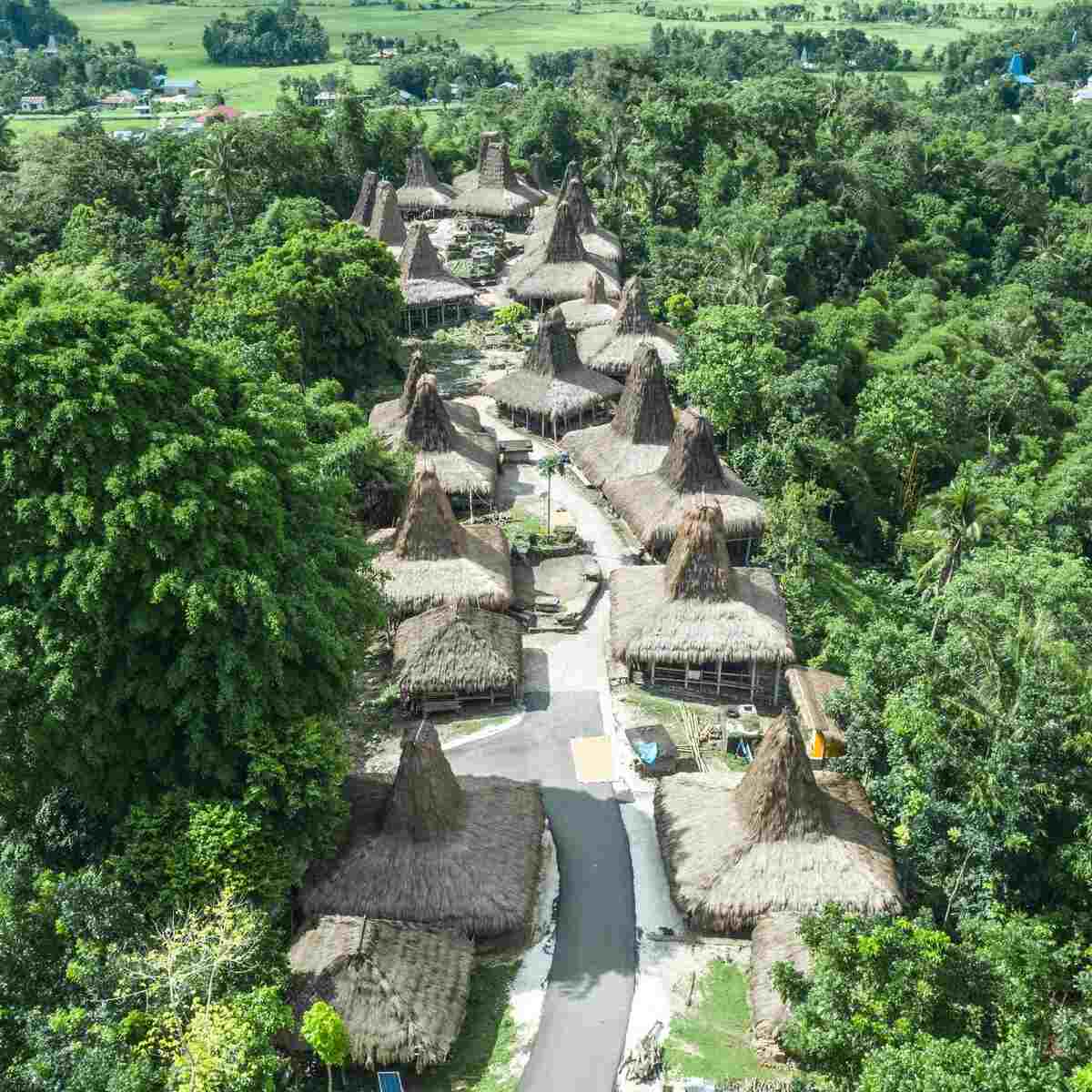
The island is home to several traditional villages, such as Ratenggaro and Praijing, where one can witness distinct architectural styles and engage with the local communities. The houses in these villages are constructed with high, thatched roofs and serve as a a sign of the island’s skilled craftsmanship. Engaging with the locals provides insight into their way of life, including traditional weaving techniques and their famous ikat textiles.
One of the highlights of visiting Sumba is experiencing the Pasola festival, a traditional war ritual celebrated annually. This event is characterised by horseback spear-fighting and is a significant aspect of Sumbanese culture. Visitors planning a visit during this period will have an unforgettable cultural experience, witnessing the lively displays of local traditions and customs.
Eco-Friendly Travel and Sustainability
At Komodo Luxury, we are committed to promoting eco-friendly travel practices that support sustainable tourism in Sumba. Our tours are designed to minimise environmental impact while maximising the cultural and natural experiences available to our guests. By choosing our private or small-group tours, you contribute to the conservation of Sumba’s pristine landscapes and cultural heritage.
We prioritise working with local guides and service providers, ensuring that the economic benefits of tourism are distributed within the community. This practice not only empowers local businesses but also enriches the travel experience by providing authentic, insider knowledge of the island’s attractions and traditions.
Our guests are encouraged to adopt responsible travel habits, such as reducing plastic use, respecting local customs, and supporting local artisans. By opting for eco-friendly transport options and participating in community-driven projects, visitors can enjoy a more meaningful and sustainable travel experience in Sumba.
Customised Itineraries and Personalised Experiences
Understanding that every traveller has unique preferences and interests, we offer customised itineraries tailored to individual needs. If you interested in exploring the natural wonders of Sumba or delving into its cultural aspects, our team is dedicated to crafting a tour that aligns perfectly with your desires.
Our tailored itineraries allow for flexibility and personalisation, ensuring that your travel experience is both enriching and memorable. From full-day west Sumba tours to extended multi-day packages covering both east and west Sumba, our offerings are designed to suit different durations and interests. Guests can choose from a variety of experiences, ranging from serene beach visits to adventurous waterfall treks.
To enhance your journey, we provide options for private car hires with experienced drivers and knowledgeable guides who are passionate about sharing their insights into Sumba’s hidden charms. By catering to small groups and private tours, we ensure an intimate experience, allowing you to explore Sumba at your own pace.
Accommodation Options on Sumba Tours
When set out on a Sumba tour, choosing the right accommodation enhances your experience. The island offers a range of lodgings, from luxury resorts to eco-friendly retreats, each providing a unique glimpse into the local way of life. Below are some options to consider:
- Luxury Resorts: For those seeking comfort, Sumba is home to several high-end resorts such as Nihi Sumba, renowned for its exquisite service and stunning vistas over Nihiwatu Beach. These resorts offer amenities including spa treatments, fine dining, and private beach access.
- Eco-Lodges: Eco-friendly travellers may opt for lodges that focus on sustainable practices. These accommodations often use local materials and are designed to minimise environmental impact while providing a rustic yet comfortable stay.
- Homestays: For a more authentic cultural experience, consider staying with a local family. Homestays offer a chance to engage with the community and participate in daily activities, providing insight into the traditional Sumbanese lifestyle.
Each accommodation type complements different tour styles, if you on a private cultural exploration or a small-group adventure, ensuring a restful and immersive stay on the island.
Cuisine and Dining Experiences on Sumba Tours
Sumba’s culinary scene is a delightful aspect of any tour, offering a taste of authentic Indonesian cuisine with a distinct local twist. Dining experiences vary from traditional meals in local villages to upscale dining at resort restaurants.
- Traditional Meals: Savour local dishes such as pata (cooked pork) and katemak (corn and vegetable soup), typically enjoyed in village settings. Participating in a communal meal with villagers enhances the cultural immersion.
- Resort Dining: Many resorts boast gourmet restaurants where you can indulge in both local and international cuisines. These dining venues often use fresh, locally sourced ingredients, offering dishes that reflect the island’s rich culinary heritage.
Whether dining under the stars on a pristine beach or enjoying a meal prepared by local chefs, these culinary experiences are integral to understanding and appreciating Sumba’s cultural tapestry.
Health and Safety Considerations for Sumba Tours
When set out on a private or small-group tour in Sumba, it’s essential to be mindful of health and safety considerations to ensure a smooth and enjoyable experience. The tropical climate and rural nature of many areas require a few preparations and precautions.
First and foremost, be sure to stay hydrated, as the climate can be quite warm, especially between June and October. Carrying a reusable water bottle is advisable, and your tour guide can often assist with refills when exploring remote areas. Additionally, wearing a broad-spectrum sunscreen and a hat will help protect you from the sun’s rays.
- Health Insurance: Ensure that you have comprehensive travel insurance that includes cover for medical emergencies.
- Medical Kit: Pack a small first-aid kit with essentials such as plasters, antiseptic wipes, and any personal medication.
- Local Advice: Listen to your guide’s advice regarding local customs and safety measures, particularly when visiting traditional villages.
Culinary Experiences: Taste of Sumba
Experiencing the local cuisine is an integral part of any travel adventure, and Sumba offers a range of unique culinary delights that reflect the island’s rich culture and heritage. Whether on a day trip or a multi-day package, sampling local dishes will undoubtedly enhance your visit.
Sumba is renowned for its use of fresh, locally sourced ingredients, with seafood playing a prominent role in many dishes. Be sure to try ikan bakar, a local grilled fish dish, often flavoured with a blend of spices and served with rice and vegetables. Another must-try is the traditional Sumbanese pork dish known as babi bakar, which showcases the island’s distinctive cooking techniques.
| Dish | Description |
|---|---|
| Ikan Bakar | Grilled fish marinated with local spices, served with rice. |
| Babi Bakar | Roast pork prepared with traditional Sumbanese methods. |
| Jagung Bose | A corn-based dish often cooked with coconut milk. |
Many tours include opportunities to dine at local eateries or even partake in a cooking class, offering a hands-on experience of Sumbanese culinary traditions. These experiences not only tantalise the taste buds but also provide insights into the island’s way of life.
Ready to explore Sumba? Plan your trip on WhatsApp and let us craft a bespoke journey for you.