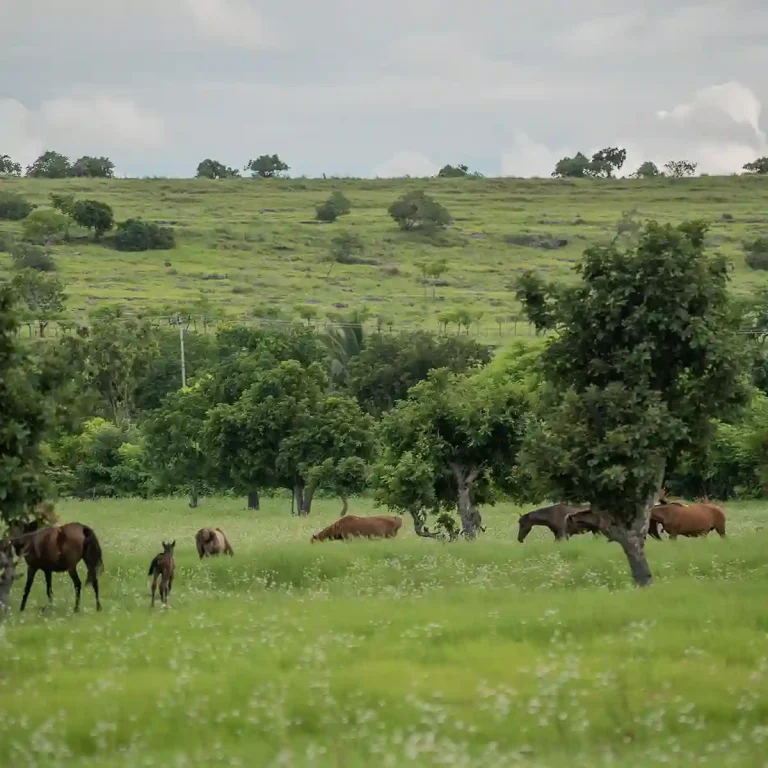
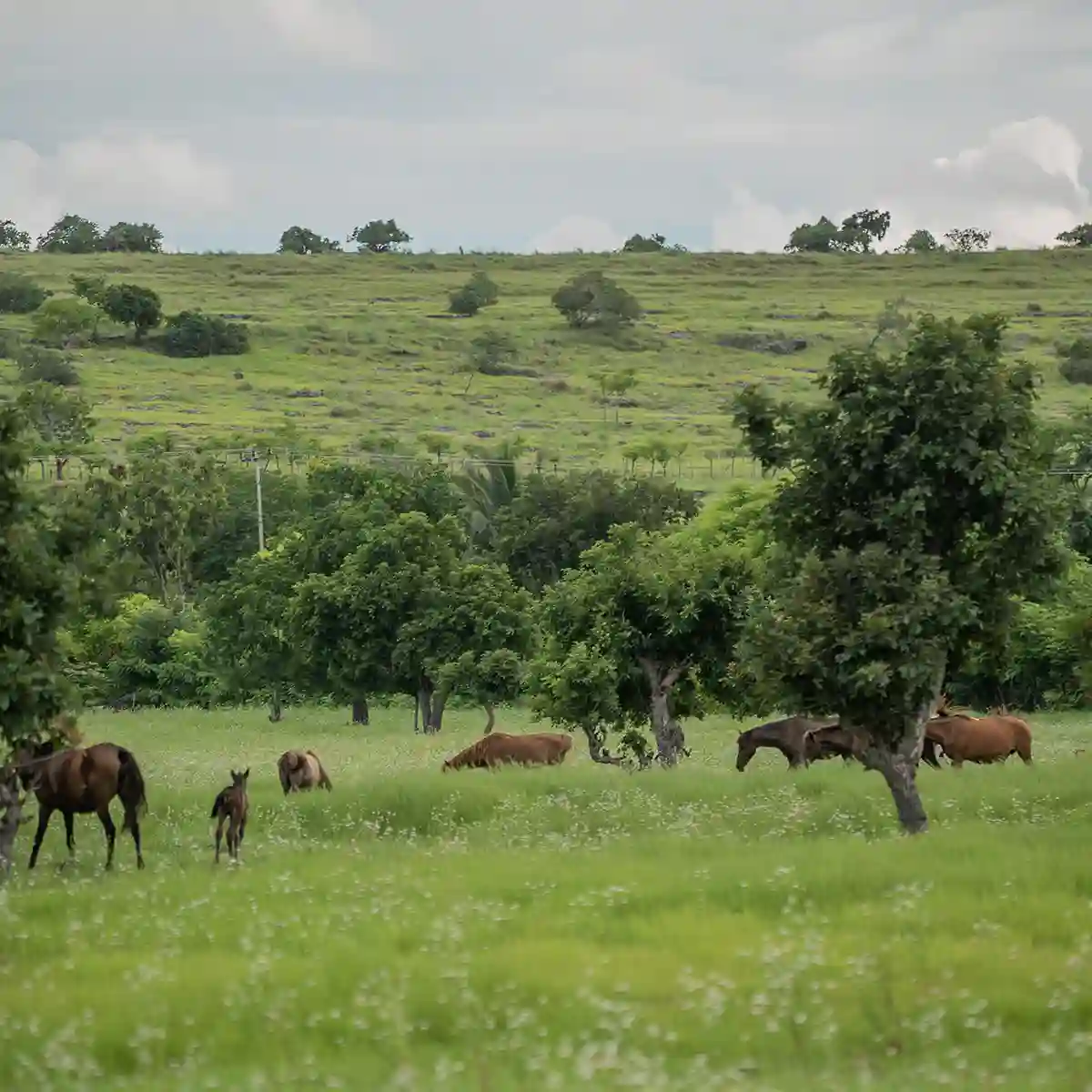
Explore the optimal period for luxurious travel to Sumba, focusing on prime months for sightseeing, cultural events, and surfing. Fly into Tambolaka or Waingapu and enjoy guided tours.
Best Time to Visit Sumba
For those seeking an extraordinary escape, the best time to visit Sumba is during the dry season, spanning from May to October. The months of June to September represent the ideal window for sun-drenched days, clear skies, and optimal conditions for both exploration and photography.
Why Choose the Dry Season?
During this period, Sumba’s climate is marked by cooler nights and minimal rainfall, making it the perfect setting for high-end travel. The golden-hued savannas provide a dramatic backdrop to your adventures, ensuring that every photograph captures the island’s raw beauty.
Concrete Figures & Seasonal Breakdown
| Factor | Dry Season (May–Oct) | Wet Season (Nov–Apr) |
|---|---|---|
| Best Months | June, July, August, September | December, January, February |
| Peak Dry Month | August | February |
| Temperature | 25°C – 32°C | 25°C – 32°C |
| Surf Conditions | Offshore winds, consistent swell | Inconsistent, onshore winds |
| Landscape Color | Golden savanna | Emerald green |
| Crowds | Peak season | Low season |
The dry season not only offers the best climatic conditions but also aligns with the high season for tourism, necessitating early bookings to secure your preferred accommodations and tours.
Top Sights & Best Timing
Sumba is renowned for its striking natural and cultural attractions. Here are some highlights you should not miss:
- Weekuri Lagoon & Ratenggaro/Praijing Villages: Best experienced from June to October when the seas are calm and the skies are clear.
- Tanggedu Waterfall: Visit between December and April when the waterfall is at its most impressive.
- Nihiwatu Beach: Ideal for surfing and relaxation from June to September, with peak surf conditions from April to October.
- Pasola Festival: A unique cultural event held in February or March during the wet season.
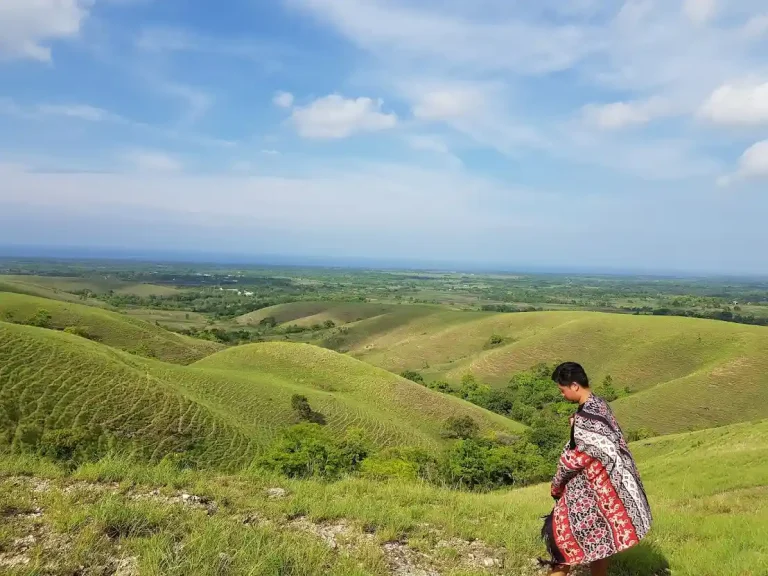
- Wairinding Hills: Prime photography opportunities arise from August to October as the landscape turns golden.
Getting There & Logistics
Sumba is accessible via two main starting point: Tambolaka (TMC) in Southwest Sumba and Waingapu (WGP) in the east. Daily flights connect Bali (Denpasar) to Tambolaka, with a few weekly flights to Waingapu.
Traveling between sites in Sumba typically takes between one to three hours by road. Given the unpredictable road conditions, enlisting a professional driver is advisable.
Tour Styles
To fully immerse yourself in Sumba’s offerings, consider one of the curated tour styles:
- Private Car + Driver: The recommended choice for those seeking comfort and flexibility.
- Small-Group Day Tour: A sociable way to explore key attractions.
- Multi-Day Sumba Package: Comprehensive itineraries covering both east and west Sumba.
- Private Guided Culture Tour: Perfect for experiencing the Pasola Festival.
Indicative Prices (Per Person / Per Group)
Prices are indicative and confirmed at booking.
- Full-day West Sumba: Approx. $150–$250 per person (private car).
- 3-day Sumba Highlights: Approx. $600–$900 per person (multi-day package).
- 5-day East & West Sumba: Approx. $1,200–$1,800 per person (comprehensive package).
2027 Note
As 2027 approaches, Sumba’s allure continues to grow. Early planning is essential to secure the best experiences, especially during peak travel months.
Unique Cultural Experiences in Sumba
Sumba is renowned for its rich cultural tapestry, offering visitors a glimpse into ancient traditions that are still very much alive today. A private guided culture tour is an ideal way to delve deep into the island’s heritage. These tours often include visits to traditional villages such as Ratenggaro and Praijing, where you can witness the iconic Sumba houses with their towering thatched roofs.
During these tours, guests have the opportunity to engage with local artisans and learn about the traditional ikat weaving techniques that have been passed down through generations. The lively textiles produced in Sumba are not only a visual feast but also a significant aspect of the island’s cultural identity.
- Visit to Ratenggaro Village
- Ikat weaving demonstration
- Ceremonial dances and rituals
Adventure and Outdoor Activities in Sumba
For those seeking adventure, Sumba offers a wealth of outdoor activities set against a backdrop of stunning natural beauty. The island’s diverse landscapes provide the perfect setting for activities ranging from trekking to snorkelling.
A day trip to the Tanggedu Waterfall offers a refreshing escape, where visitors can enjoy a hike through lush greenery followed by a swim in the crystal-clear waters. Alternatively, the Wairinding Hills offer panoramic views and are a favourite spot for photography enthusiasts. These hills are especially captivating during the golden hour, when the light casts a magical glow over the landscape.
- Trekking to Tanggedu Waterfall
- Swimming in natural pools
- Photography at Wairinding Hills
Sample Itineraries for Sumba Tours
Our Sumba tours are designed to cater to various interests and timeframes, ensuring that each visitor can experience the island in a way that best suits their preferences. Whether opting for a short day trip or an extended exploration, the itineraries are crafted to highlight the best of Sumba.
For a brief introduction to the island, the full-day West Sumba tour is perfect, offering visits to key sites such as Weekuri Lagoon and Nihiwatu Beach. Those with more time might consider the 3-day Sumba highlights tour, which covers both cultural and natural attractions, including local markets and traditional villages.
| Tour Option | Duration | Highlights |
|---|---|---|
| Full-day West Sumba | 1 Day | Weekuri Lagoon, Nihiwatu Beach |
| 3-day Sumba Highlights | 3 Days | Traditional villages, Tanggedu Waterfall |
| 5-day East & West Sumba | 5 Days | Cultural tours, scenic landscapes |
All itineraries can be tailored to meet specific interests, ensuring a personalised experience of Sumba’s diverse offerings.
Eco-Friendly Travel in Sumba
Travellers increasingly seek sustainable travel experiences, and Sumba offers ample opportunities to engage with the island responsibly. Our tours are designed to minimise environmental impact while maximising cultural engagement. By choosing eco-friendly options, visitors can enjoy the natural beauty and rich culture of Sumba while supporting local conservation efforts.
Several of our itineraries include visits to eco-conscious accommodations and projects. For example, guests can stay in eco-lodges that prioritise renewable energy and waste reduction. Additionally, our tours often incorporate visits to local conservation projects, such as those aimed at preserving traditional Sumbanese crafts or protecting endangered species.
- Stay in eco-friendly lodges using sustainable practices
- Participate in local conservation and community projects
- Support traditional crafts through community workshops
Culinary Experiences in Sumba
Sumba’s culinary landscape is a delightful adventure in itself, offering a unique blend of traditional flavours and modern twists. Participating in a culinary tour provides an opportunity to explore the island’s diverse gastronomic offerings, from street food to sophisticated dining experiences.
Our culinary tours often include visits to local markets where travellers can sample fresh produce and traditional Sumbanese snacks. Cooking classes with local chefs provide hands-on experiences in creating authentic Sumbanese dishes such as “Kolo” (grilled rice) and “Kambuku” (roasted pork). These experiences are not only about taste but also about understanding the cultural significance of food in Sumbanese society.
| Experience | Details |
|---|---|
| Market Tours | Explore local markets and sample traditional snacks |
| Cooking Classes | Learn to cook Sumbanese dishes with local chefs |
| Dining Experiences | Enjoy meals at restaurants specialising in Sumbanese cuisine |
To explore Sumba’s splendour and arrange your bespoke travel itinerary, plan your trip on WhatsApp today.
Keep Reading
Sumba Travel Guide
How Much Does a Sumba Tour Cost in 2027?
Planning a journey to Sumba in 2027? Expect to spend between $457–$540 for 3–4-day tours, with luxury options up to…
Sumba Travel Guide
How Many Days Do You Need in Sumba?
Discover the ideal duration for a luxurious exploration of Sumba. Learn how many days are necessary to experience the island's…
Sumba Travel Guide
Sumba With Family
Explore Sumba with family for a unique blend of luxury adventure and cultural immersion. From the turquoise waters of Weekuri…