Prepare for your luxurious Sumba adventure with our comprehensive packing guide. From sun protection to health essentials, ensure your journey is seamless and comfortable.
What to Pack Sumba: Essentials for the Discerning Traveller
Sumba, an island of remarkable beauty and cultural richness, invites discerning travellers to explore its landscapes and traditions. Situated in Indonesia, Sumba is accessible via flights to Tambolaka (TMC) or Waingapu (WGP), with sites typically 1–3 hours apart by road. To fully enjoy your visit, a thoughtfully prepared packing list is essential. Here’s what affluent travellers should consider bringing:
Essential Clothing & Gear
- Sun Protection: The Sumba sun is intense; pack high-SPF sunscreen, a wide-brimmed hat, a portable umbrella, and a portable fan.
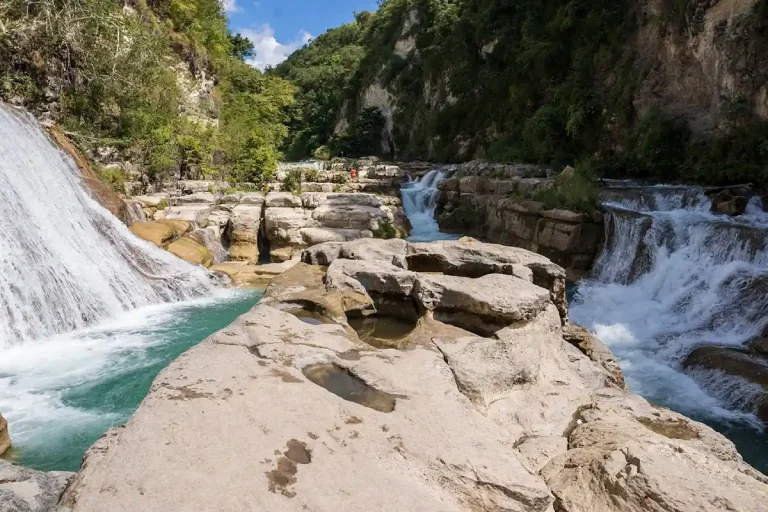
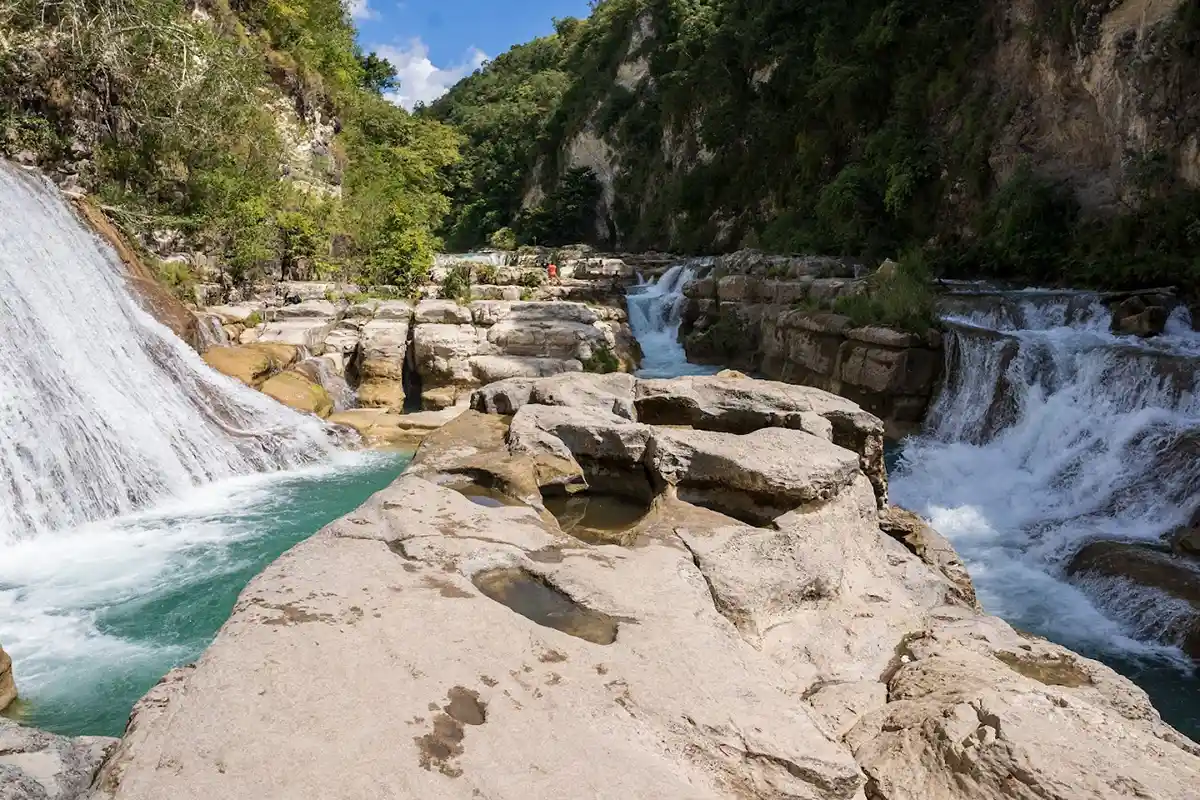
- Footwear: Outdoor sandals with excellent grip are ideal; they dry quickly for waterfalls and lagoons. Hiking shoes are not necessary, and flip-flops are useful for muddy rice fields like Waikelo Sawah.
- Clothing: Wear lightweight, breathable fabrics (linen or cotton) that allow airflow on windy roads. Include a light rain jacket for unexpected showers, though June–October is generally dry.
- Camera/Drone: Bring a camera or drone for stunning aerial views, but ask your guide for safe flying spots; avoid Tanggedu Waterfall where drone signals are weak.
Health & Medicine
Health precautions are crucial when venturing into Sumba’s remote areas. Access to pharmacies is limited, so personal medication is a necessity.
- Essential Meds: Bring panadol (pain reliever), anti-diarrhea pills, and mosquito repellent.
- Motion Sickness: Roads are extremely windy, especially in East Sumba; bring motion sickness pills to prevent discomfort during 1–3 hour drives.
- Hygiene: Toilets vary in cleanliness and often lack lighting; plan restroom stops at Weekuri Lagoon, Mandorak Beach, or waterfalls before village visits.
Concrete Figures & Logistics
Understanding the logistics of travel in Sumba can greatly enhance your experience. From travel times to facility details, here’s what you need to know:
| Best Time to Visit | June to October (Dry season) |
|---|---|
| Travel Duration | 5–7 days for Southwest; 10–14 days for both East & West |
| Distances | Sites are 1–3 hours apart by road; e.g., Weekuri Lagoon to Mandorak Beach is a 10-minute drive |
| Airport Access | Fly into Tambolaka (TMC) for West Sumba or Waingapu (WGP) for East Sumba; both are ~1 hour from Bali |
| Facility Notes | Basic showers available at Weekuri Lagoon; toilets are basic but available at beaches/waterfalls |
Tour Styles & Packages
Selecting the right tour style can significantly influence your Sumba experience. If you prefer the flexibility of a private car or the camaraderie of a small group, consider these options:
- Private Car + Driver: Most flexible for 1–3 hour site transfers; ideal for custom itineraries.
- Small-Group Day Tour: Cost-effective for highlights like Weekuri, Ratenggaro, and Tanggedu.
- Multi-Day Packages: Options include 5-day West Sumba, 3-day highlights, or 5-day East & West.
- Cultural Tours: Private guided culture tours focus on ikat weaving in Ratenggaro/Praijing and megalithic tombs.
2027 Note: Recent Developments
As of 2027, Sumba continues to attract attention for its unspoiled beauty and rich cultural tapestry. While infrastructure develops, the island retains its authentic charm, making it an alluring destination for those seeking both adventure and relaxation.
Plan Your Journey to Sumba
Understanding Sumba’s Unique Cultural Heritage
Sumba is renowned for its rich and lively cultural heritage, which is distinctly different from other parts of Indonesia. When set out on a tour of this fascinating island, understanding the local culture can significantly enhance your experience. The island’s social structure is deeply rooted in traditions that date back centuries, with ancestral worship and intricate rituals playing a significant role in daily life.
Visitors can immerse themselves in Sumba’s unique traditions by visiting traditional villages such as Ratenggaro and Praijing. These villages offer a glimpse into the island’s megalithic culture, where towering stone tombs are a common sight. Engaging with the locals provides invaluable insights into their way of life, including the famed Ikat weaving process, which results in intricate and colourful textiles that make perfect souvenirs.
- Visit Ratenggaro Village for its ancient tombs and traditional houses.
- Explore Praijing Village to witness traditional Sumbanese architecture.
- Learn about Ikat weaving, a traditional craft passed down through generations.
Eco-Conscious Travel and Sustainable Practices in Sumba
Travellers to Sumba are increasingly interested in sustainable tourism, mindful of the impact their visits have on local communities and the environment. Sumbatourpackage is committed to promoting eco-conscious travel, ensuring that tours are conducted in a way that respects and preserves the natural beauty and cultural integrity of the island.
Efforts include supporting local businesses and communities by hiring local guides and drivers, ensuring that tourism revenue remains within the region. Additionally, tours are designed to minimise environmental impact, with responsible practices such as waste reduction and energy-efficient transport options. Travellers are encouraged to participate in these efforts, which may include activities like beach clean-ups or tree-planting initiatives.
- Support local economies by engaging with community-run businesses.
- Participate in eco-friendly initiatives, such as beach clean-ups.
- Choose tours that prioritise sustainable travel practices.
Gastronomic Delights: Culinary Experiences in Sumba
Sumba offers a culinary journey that is both diverse and reflective of its cultural influences. Traditional Sumbanese cuisine is characterised by its use of fresh and locally sourced ingredients, with dishes often featuring fish, pork, and a variety of vegetables and spices. A tour of Sumba is incomplete without sampling its authentic culinary offerings, which provide a taste of the island’s rich heritage.
Food experiences can be an integral part of your Sumba adventure, with opportunities to enjoy meals prepared using traditional methods. From dining at local warungs to indulging in a traditional feast in a village setting, each meal offers a chance to connect with the island’s culture and people. Culinary tours can be tailored to include visits to local markets, cooking classes, and special dining experiences that highlight the island’s gastronomic delights.
- Sample traditional dishes such as ayam bakar (grilled chicken) and babi guling (roast pork).
- Visit local markets to discover fresh produce and spices unique to Sumba.
- Engage in a cooking class to learn about Sumbanese culinary techniques.
Crafting Your Ideal Itinerary: Tailored Tours in Sumba
Sumba’s diverse landscapes and rich cultural tapestry offer a wealth of experiences waiting to be discovered. For those seeking a customised adventure, tailored itineraries provide the flexibility to explore the island at your own pace, ensuring a truly personal journey. If you interested in cultural immersion or natural wonders, crafting your ideal itinerary allows you to focus on what matters most to you.
Tailored tours typically begin with a consultation to understand your interests and travel preferences. This might include visits to the stunning Weekuri Lagoon, the traditional villages of Ratenggaro and Praijing, or the serene Nihiwatu Beach. You can also choose to coincide your visit with the lively pasola season, a traditional festival showcasing Sumba’s unique equestrian culture.
By opting for a private guided culture tour, you can delve deeper into the island’s heritage, with opportunities to engage with local communities and partake in authentic cultural practices. The flexibility of these tours ensures that your experience is as enriching as it is memorable.
Transport and Logistics: Navigating Sumba with Ease
Understanding the logistics of navigating Sumba is crucial for a smooth travel experience. With key starting point via Tambolaka (TMC) in Southwest Sumba and Waingapu (WGP) in the east, accessing this enchanting island is straightforward, albeit requiring some planning.
Once on the island, the primary mode of transport for private and small-group tours is by car, often with a dedicated driver who not only ensures your safety on the road but also enriches your journey with local insights. Distances between major sites such as the Wairinding hills and Tanggedu waterfall can range from one to three hours by road, making a well-planned itinerary essential.
For those opting for a multi-day package, accommodations are typically arranged in advance, providing a seamless experience from arrival to departure. It’s advisable to confirm all transport and accommodation details prior to travel, ensuring a hassle-free adventure in Sumba.
With your packing list in hand, you’re ready to explore the wonders of Sumba. Whether it’s the serene waters of Weekuri Lagoon or the cultural richness of Ratenggaro village, this island promises an experience of a lifetime. Plan your trip on WhatsApp with us today and let the journey begin.
Keep Reading
Sumba Travel Guide
How Much Does a Sumba Tour Cost in 2027?
Planning a journey to Sumba in 2027? Expect to spend between $457–$540 for 3–4-day tours, with luxury options up to…
Sumba Travel Guide
The Best Time to Visit Sumba
Explore the optimal period for luxurious travel to Sumba, focusing on prime months for sightseeing, cultural events, and surfing. Fly…
Sumba Travel Guide
How Many Days Do You Need in Sumba?
Discover the ideal duration for a luxurious exploration of Sumba. Learn how many days are necessary to experience the island's…